
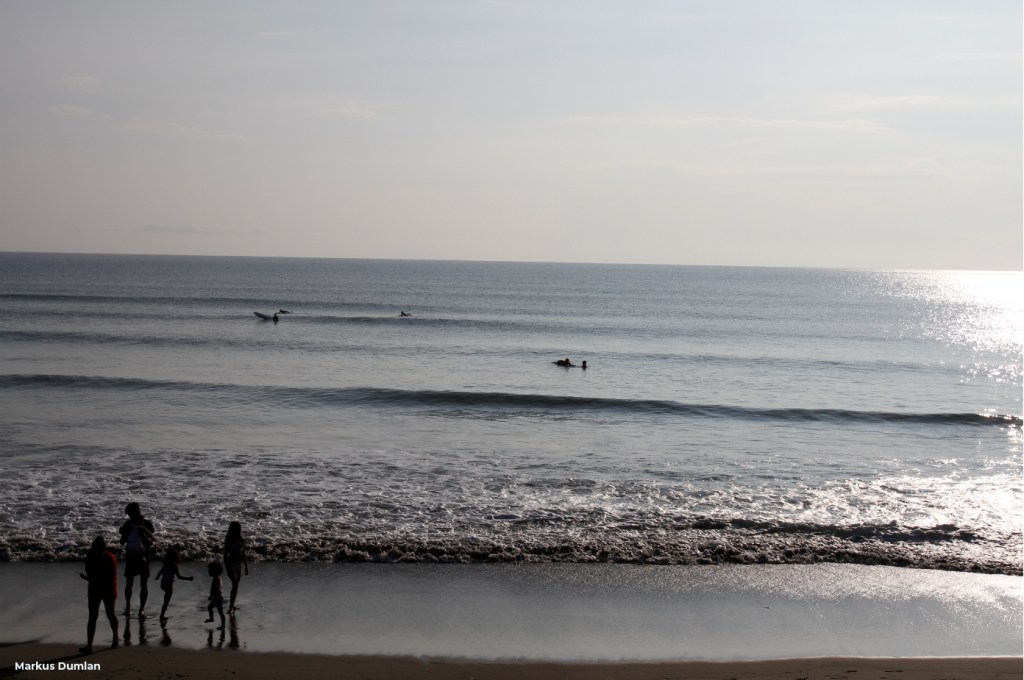
” Don’t get set into one form, adapt it and build your own, and let it grow, be like water. Empty your mind, be formless, shapeless — like water. Now you put water in a cup, it becomes the cup; You put water into a bottle it becomes the bottle; You put it in a teapot it becomes the teapot. “
~BRUCE LEE
In our daily life, one of the necessities living on planet earth is water. But, it is also one of the most neglected natural resources as it is evident that our planet is mostly covered in water that it has already been taken for granted. In perspective, about 71% of the Earth’s surface is covered in water while the remaining 29% are the continents and land that we live in. But how much water is actually usable? As previously mentioned, although 71% of the Earth is covered in water approximately, 96% is saline or are contained within the oceans — while the remaining 3% are either fresh water or locked up in glaciers. With this in mind, we could easily tell how big of an impact water is in our daily lives.
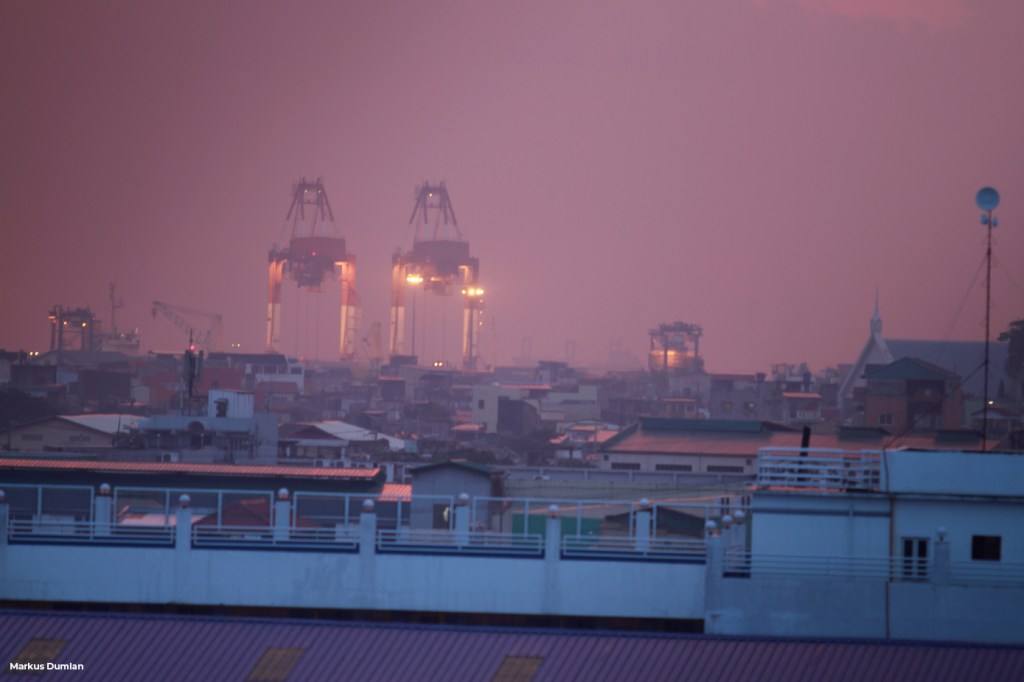
On the other hand, one of the things which have a major effect on water is land. From a local perspective it can be easily said that the Philippines is already overcrowded and there is poor water management in the country as it is normal for private companies to focus on profits first rather than sustainability. Statistically, based on the population census conducted by the Philippine Statistics Authority last 2015 the level of urbanization was at 51.4% (Perez, 2019). While the most populated region was still NCR with a population density of 20,785 persons per square kilometer during the time of study which shows an increase compared with the 2010 population census (PSA, 2016). As such, we could say that development and urbanization is continuously happening here in the country but at what cost? deforestation, exploitation of labor or something else?

Source : Rescuers evacuate residents from their flooded homes after Typhoon Vamco hit, in Marikina City, suburban Manila on November 12, 2020. (AFP)
Although there are constant developments happening on land, does it really provide benefits for our water use? In terms of water management how far have we really improved? In recent events such as typhoon Ulysses we could clearly see the impact of how we use water and land. Furthermore, with such events, it easily shows that there are more things to improve on within our current systems. It may be in terms of a strict implementation of laws to avoid deforestation and excessive exploitation of natural resources or integrating modern techniques and practices to further assist the current systems in play. What are your thoughts? How could we improve our life on planet Earth while having the perfect balance between development and sustainability?
For more information read more :
Perez, J. B. (2019, March 21). Urban Population in the Philippines (Results of the 2015 Census of Population). Retrieved from https://psa.gov.ph/content/urban-population-philippines-results-2015-census-population
Philippine Statistics Authority (PSA). (2016, September 01). Philippine Population density ( Based on the 2015 census of population ). Retrieved from https://psa.gov.ph/content/philippine-population-density-based-2015-census-population
Reuters. (2020, November 13). Typhoon Ulysses triggers worst floods in Metro Manila in years. Retrieved from https://newsinfo.inquirer.net/1359823/typhoon-ulysses-triggers-worst-floods-in-metro-manila-in-years
USGS. (n.d.). How Much Water is There on Earth? Retrieved from https://www.usgs.gov/special-topic/water-science-school/science/how-much-water-there-earth?qt-science_center_objects=0
 DLSU Water